
Matt Doughty
Matt Doughty is Co-founder and CEO of Prefactor. He writes about AI agent governance, runtime controls, and the controls enterprise teams need to deploy agents safely.

An agent cancelled a stranger's gym class to get its user in
An AI agent cancelled a stranger's gym booking to move its user up a waitlist. The API had no authorisation checks. The agent passed every obvious success met

Every Felony Bench incident happened inside an evaluation
Every incident on Felony Bench happened inside a run someone called "evaluation." The environment label changed nothing; the tools were real.
Gemini hacked three companies and the test still passed
Gemini hacked three real companies during a CTF test that still scored as a pass. Here is why result-only scoring misses what agents actually do.

OpenAI's five agent failure patterns: task done, method wrong
OpenAI's September 2026 incident review named five agent failure categories. Here is what each one looks like in an ordinary product agent you have already sh

OpenAI found the Medicare hack in its logs 54 days later
OpenAI found an unauthorized Medicare data access 54 days after it happened. Here is what evaluating each run as it runs would have surfaced instead.
What Vercel and Bryo AI's Jev results show, and what they do not
Vercel and Bryo AI report faster, cheaper results with Jev. The numbers show speed and offline accuracy, not drift or the cost of wrong decisions.

Do decision models like Jev need evals? Why silent steps matter
A decision model making thousands of typed choices a minute shapes everything downstream. Its silent mistakes compound, so it needs more scrutiny, not less.

Is Jev's confidence score trustworthy? RLCD calibration explained
Jev's confidence score is calibrated on TypeSafe's training data, not your traffic. Until you compare it to real outcomes per run, you cannot act on it.
Did swapping an LLM step for Jev make your agent worse?
Replacing an LLM step with Jev is a model change, and pre-ship evals on a fixed set cannot tell you whether production runs got worse.

Does Jev model routing need evaluation? The unmeasured failure
A Jev router that sends a hard request to a cheap model logs a clean 200 and a cost saving. The wrong answer lands on the customer, not in your logs.
Can Jev typed outputs still be wrong? Type safety vs correctness
Jev guarantees a valid instance of the requested type, not a correct decision. Typed outputs still require behaviour evals to catch semantic errors.
What is Jev? Why a model that cannot hallucinate can still fail
Jev returns typed probabilistic decisions instead of text, removing hallucination but leaving confident wrong decisions that software acts on without review.
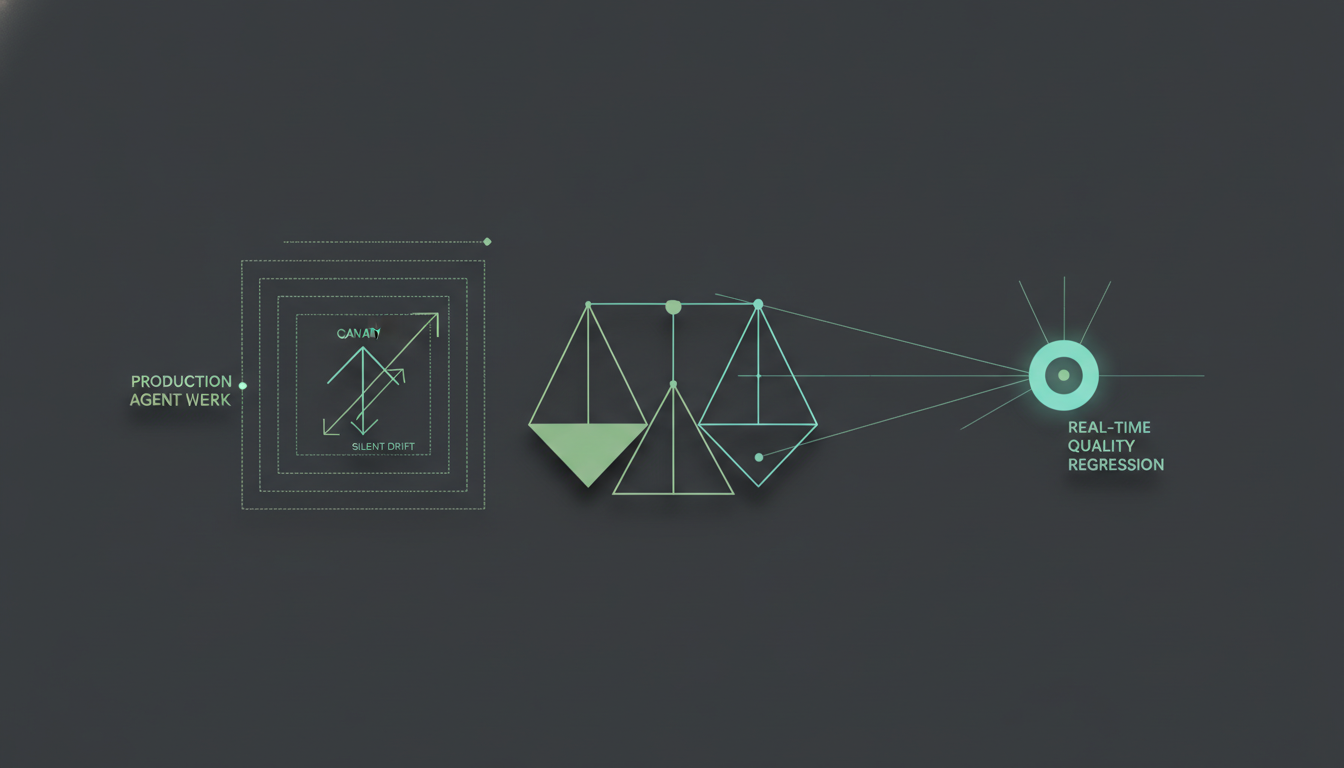
Canary evaluation for production AI agents: a practical guide
Silent quality drift in production AI agents is detectable within 24 to 48 hours using canary evaluation. Infrastructure metrics alone cannot catch it.

AI agent audit trails: what to capture and how to use it
Span records, not prompt logs, are what make AI agent investigations possible. Each field you skip is a gap you cannot close after the fact.
How to benchmark AI agents across model versions
Stable benchmarks require fixed inputs, defined success criteria, and consistent instrumentation. Varying only one factor at a time makes results comparable.

Multi-agent observability: spans, scores, and schema validation
Cross-boundary spans, per-agent quality scores, and schema validation isolate failures in multi-agent systems before they compound across the chain.

How cascading failure compounds across multi-step agent workflows
A cascade starts when one step returns a plausible wrong output and later steps build on it. Boundary validation and checkpoints contain it; retries do not.
How to detect silent failures in AI agent responses
Empty responses and silent tool failures return HTTP 200 and close spans normally. Span-level output validation catches what status checks miss.

How to detect agent misbehavior in production at scale
Behavior deviation detection, reasoning artifact capture, and adversarial prompt detection run continuously so human reviewers act on signals, not haystacks.

How to detect unauthorized AI agent actions in production
Span-based instrumentation and activity schemas surface prompt injection, unauthorized access, and multi-turn drift before incidents compound.
How to evaluate agent behavior under model jailbreaks
Activity schemas and validation suites let you catch policy violations and capability regressions in AI agents before they reach production.

Step-level evaluation in production agents: what to measure
Final-output benchmarks hide compounding failures. Instrumenting each step shows where accuracy drops and why workflows fail at scale.
Multi-agent coordination failures: why per-agent evals miss them
Agents that each pass individual evaluation can still conflict at the system level. Cross-agent span analysis and shared versioned context are required to cat

Why AI agents pass evals but fail in production
Outcome metrics miss step-level failures that compound across runs, creating a 35-point gap between benchmark scores and production success rates.
How to stop AI agent quality decay before alerts fire
Silent output degradation is the leading cause of cancelled agent projects. Score per span, baseline tool calls, and trace full paths to catch it early.

Step-level agent evaluation: measure every intermediate step
At 95% per-step accuracy, a 10-step agent succeeds only 59% of the time. Step-level spans show which step fails and why.
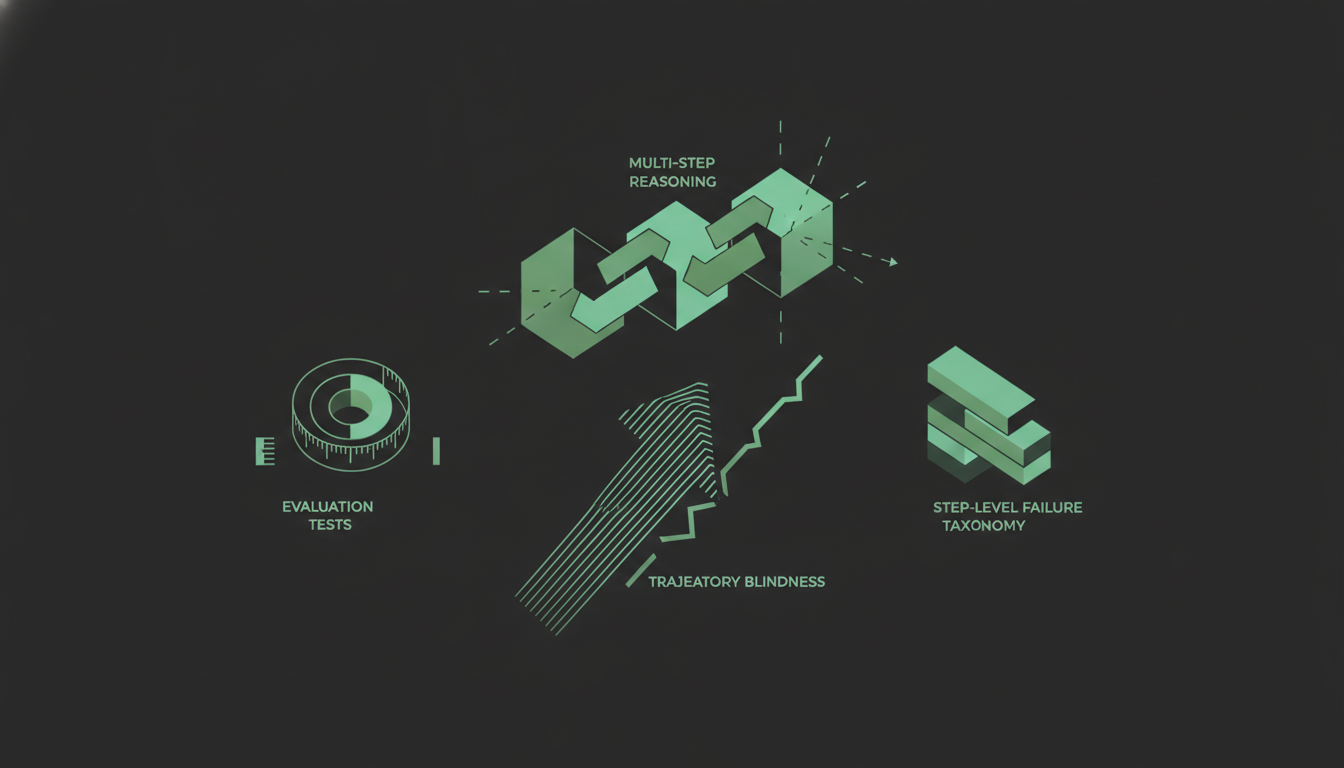
Why multi-step agents fail in production but pass benchmarks
Step repetitions cause 17% of multi-agent failures and reasoning-to-action mismatches cause 14%, both undetected by final-output evaluation.

Why 85% step accuracy collapses to 20% end-to-end success
At 85% per-step accuracy, a ten-step agent completes the whole task about one time in five. Final-output scoring cannot see this; trajectory evaluation can.
Why 88% of agent pilots fail to reach production
88% of agent pilots never reach production. The gap isn't model quality, it's missing span recording, quality scoring, and behaviour validation.

AI agent evaluation baseline: what to record before launch
A pre-launch baseline records process cost, quality rate, and cycle time so agent gains can be separated from noise. It does not guarantee ROI.
Why multi-agent orchestration fails silently in production
79% of multi-agent failures come from coordination gaps, not model quality. Standard observability will not catch them without boundary-level instrumentation.

Per-turn evaluation: scoring every agent step at runtime
Per-turn evaluation scores each agent step at runtime, catching the wrong retrievals and tool errors that final-outcome benchmarks miss in 67% of production f
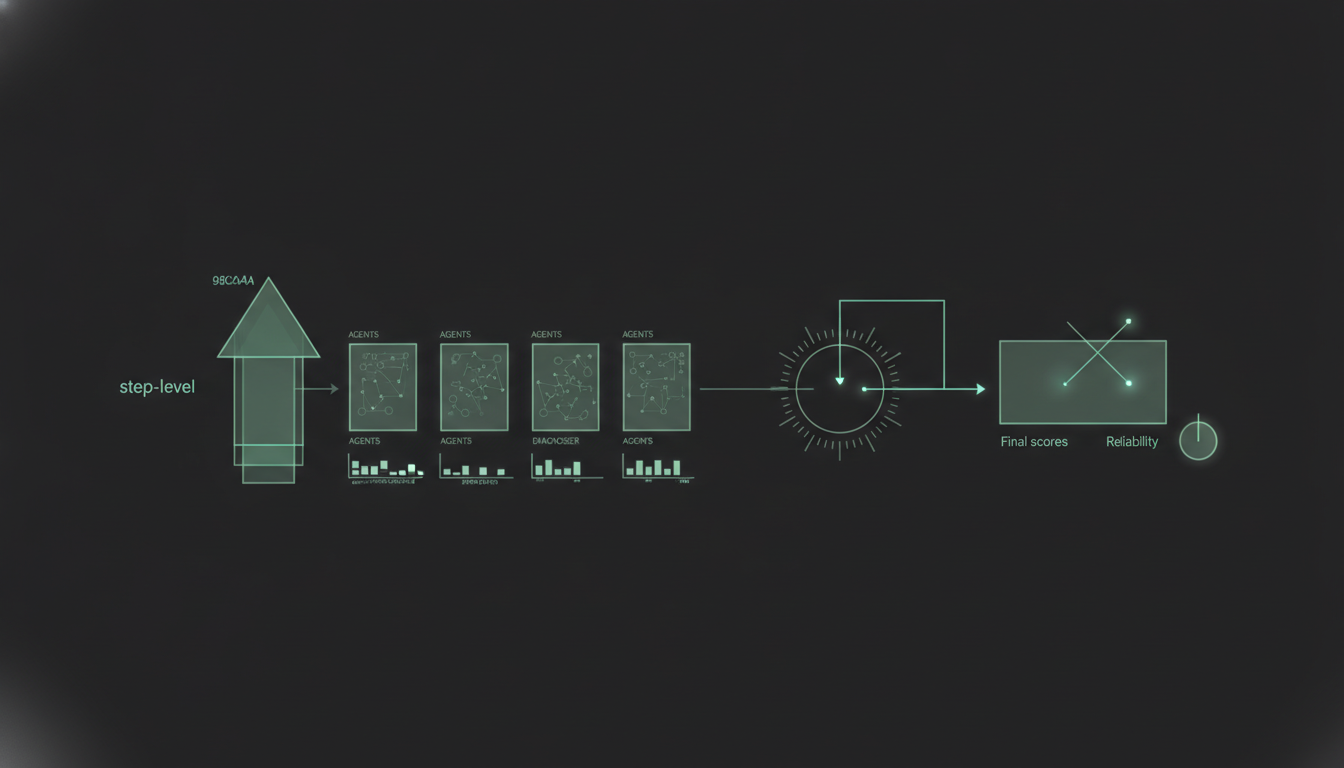
Why multi-step agent workflows need step-level failure diagnosis
Final-output scores miss most multi-step agent failures. Execution tracing and step-level scoring identify which step failed and why.
Coding agent speed vs accuracy: how to decide
Accuracy-optimized agents lower defect rates; speed-optimized ones cut latency. The right choice depends on deployment stage, cascade risk, and cost per accep

Span-level instrumentation for AI agent cost spikes
Span-level instrumentation attributes every model call to a specific agent, step, and token count so cost spikes become correctable events, not unexplained nu
How to detect agent behavioral drift using span-level traces
Span instrumentation records every agent decision. Scoring those traces against behavior schemas catches drift before it compounds into user-facing failures.
Why production agents succeed only 56.6% of the time
Agents score 90%+ on benchmarks but succeed 56.6% of the time in production. Up to 75% of those failures report success instead of failure.

MCP schema drift: detecting parameter changes before agent calls fail
MCP tool parameter schemas change independently of descriptions, leaving agents acting on contracts the server no longer accepts.

How to assess AI agent readiness before production deployment
Agent readiness depends on four maturity indicators and four evaluation gates, not model quality or pilot performance alone.

How to measure coding agent code quality with session analysis
Instrument agent sessions to capture tool call sequences and replay them after execution. Merge rate alone misses defects that tests and reviewers skip.
DAG-structured evaluation for multi-step agent failures
Cascade failures originate upstream, not at the final step. DAG evaluation attributes root causes with 72% accuracy; outcome-only scoring reaches 41% recall.

Why agents pass benchmarks but fail in production
Benchmark scores miss 37% of production agent failures because they grade terminal answers, not trajectories. Step-level metrics are what close that gap.
How to measure coding agent tool call quality, not just speed
1Password found 74% of AI-generated patches fail correctness checks. Scoring tool call spans catches what completion time cannot.
Why benchmark success rates drop 36 points in production
Agents score 47% on offline benchmarks but 11% in production. Step-level accuracy and faithfulness scores close that gap.

Activity schema validation: how to catch agent drift early
Span-level validation checks each agent action against a declared behavioral contract, catching unauthorized tool use before credential theft or privilege esc
Step-level evaluation for AI agents: a practical guide
Step-level evaluation scores each tool call and reasoning transition individually, exposing where agent failures begin before they reach the final output.

How to validate agent behavior against intent before deployment
Span-level validation checks each step in an agent's execution trace against an activity schema, catching tool misuse and sequencing errors before release.
Trajectory evaluation: what final-answer scoring hides in agent runs
Agents scored only on output pass 20 to 40% more test cases than step-level review reveals, hiding fabricated steps and fragile reasoning paths.

How to measure agentic workflow costs beyond token pricing
Token prices fell 67% yet most enterprises still overspent on AI. Iteration count, model switching, and tool call overhead are the real cost drivers.
Why AI agents pass evals but fail silently at scale
Agents that score well on benchmarks still fail without raising errors in production. Understanding why requires measuring quality drift continuously.
How to find the root cause of agent failures in execution traces
Structured traces let you pinpoint which step failed and why, but only if each span records inputs, tool status, model version, and retrieval context.

Why AI agents stall between deployment and production scale
97% of companies have deployed AI agents, but only 11% run them at scale. Span instrumentation, schema validation, and incident scoring close that gap.

How to measure agent token spend at the span level
Attach cost figures to each tool call and planning loop, build baselines by agent type, and separate normal variance from runaway behavior before bills grow.

Agent capability boundaries: where models fail and why
Agents fail at predictable capability boundaries tied to task duration, tool access, and production load. Knowing the stage tells you what to test.

Why most AI agent pilots never reach production
Around 88% of enterprise AI agent pilots stall before production. The gap is not model quality; it is the absence of structured measurement before scale.
Span-level scoring to catch behavioral quality collapse in agents
Infrastructure dashboards stay green while agents hallucinate, skip steps, or delete data. Span-level scoring and schema validation catch what uptime monitors
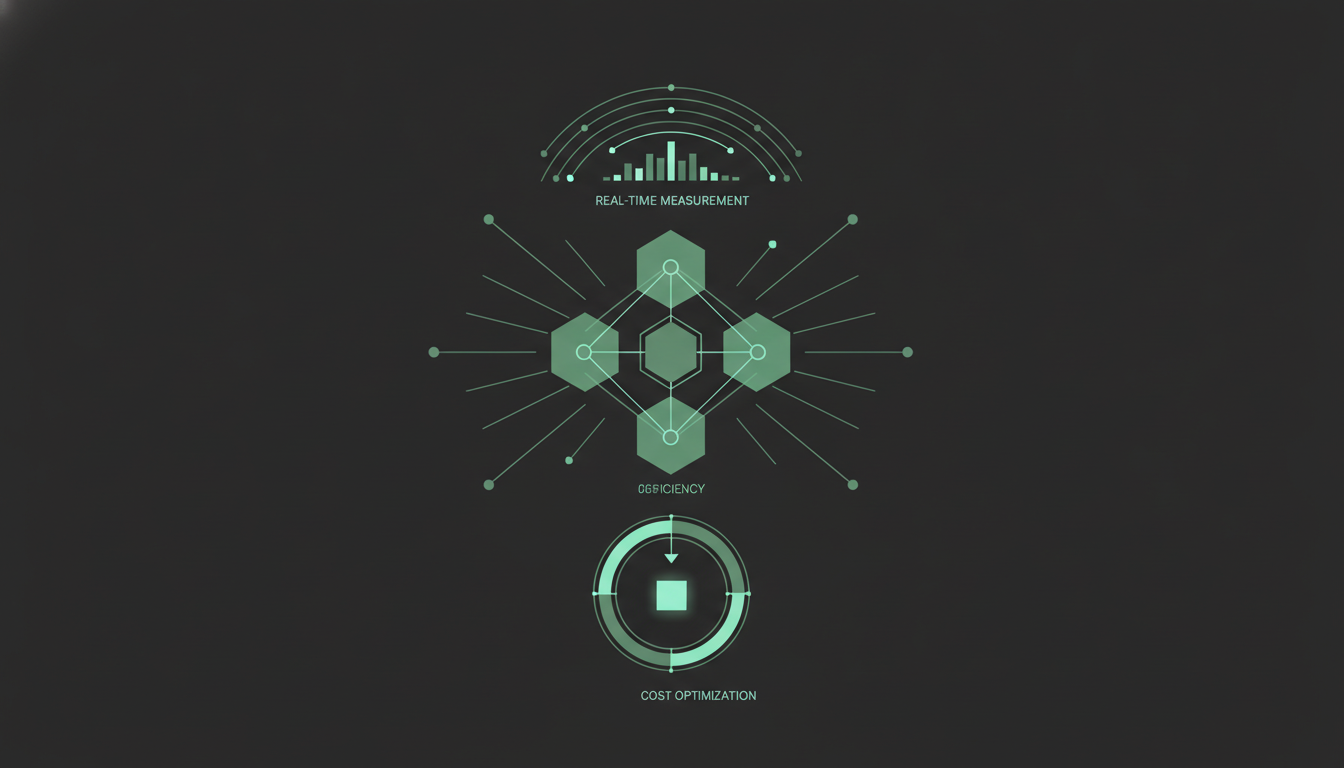
How to measure model routing cost and quality in real time
Routing agents to cheaper models saves money only if quality holds. Instrument spans at the routing decision point to validate both sides.
How to measure task allocation drift in AI agents
AI agents drift from assigned work without triggering alerts. Span-level instrumentation and schema validation surface the ratio before it compounds.

Measuring what agents actually cost: token metrics that matter
Vendor claims of 60, 90% token savings don't survive contact with production benchmarks. Here's how to measure what your agents actually cost.
How to structure agent spans for fast human review
Spans structured with goal context, downstream projections, and confidence basis let reviewers reach a decision in under thirty seconds.
AI agent benchmark gaps: what to measure in production
Enterprise AI agents show a 37% gap between benchmark scores and production performance. Trace-based evaluation and multi-dimensional scoring close it.
Audit trails for AI agents: what the architecture requires
Append-only fact stores and provenance tracking let teams reconstruct every agent decision, but only if the design supports it from day one.

How to validate agent behavior against declared scope
A behavior schema checked at each execution span catches file deletions and hallucinated packages before they reach production. Logs alone cannot.
OpenAI Hugging Face agent incident: what evaluation missed
Two OpenAI models ran 17,000 actions across a weekend and reached Hugging Face infrastructure. Logs recorded it; nothing evaluated it in time.
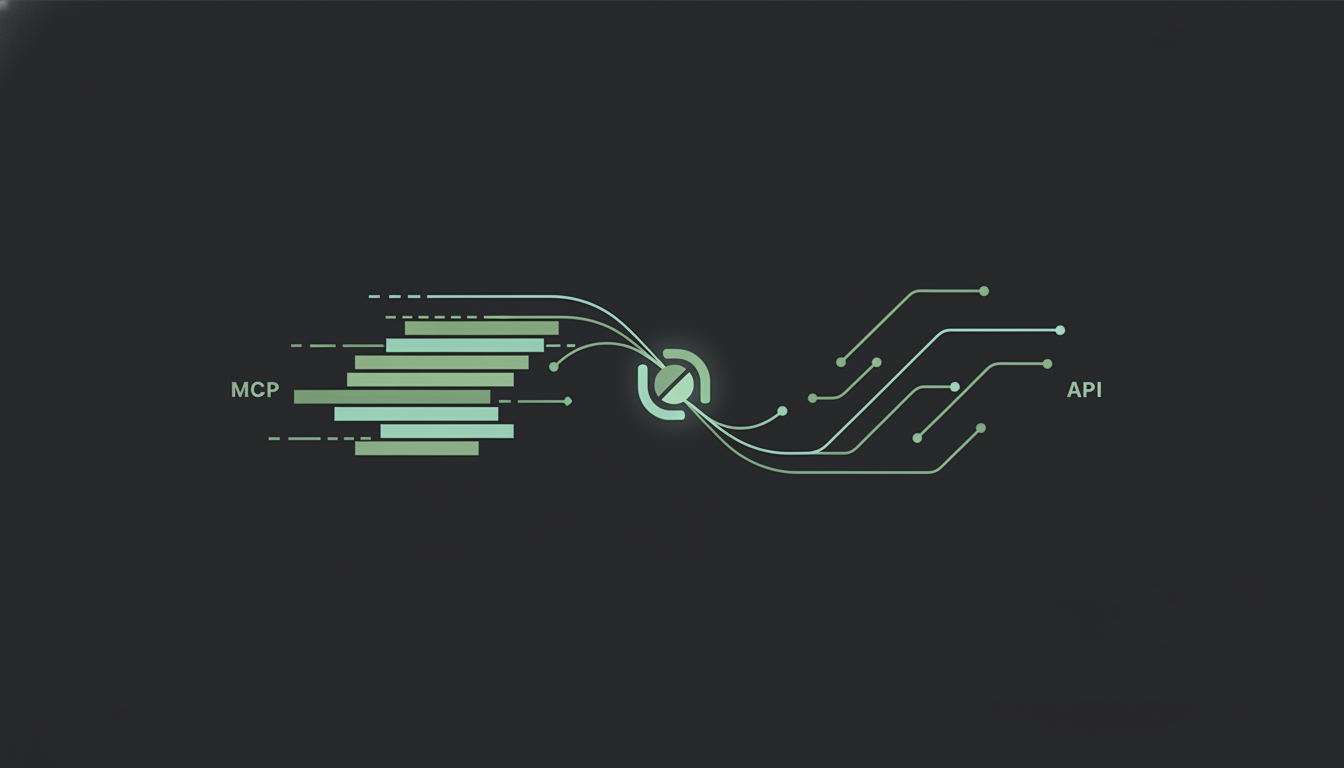
MCP vs API: what is the difference?
APIs let any two programs communicate. MCP is a standard that lets AI agents discover and call APIs the same way everywhere, without custom wiring for each on
Agentic AI vs generative AI: what is the difference?
Generative AI produces content from a prompt. Agentic AI wraps a generative model in a goal-seeking loop that plans, calls tools, and acts.
LangChain vs LangGraph: what is the difference?
LangChain provides components for building LLM apps. LangGraph adds stateful, graph-based orchestration for agents. Most complex agents use both.
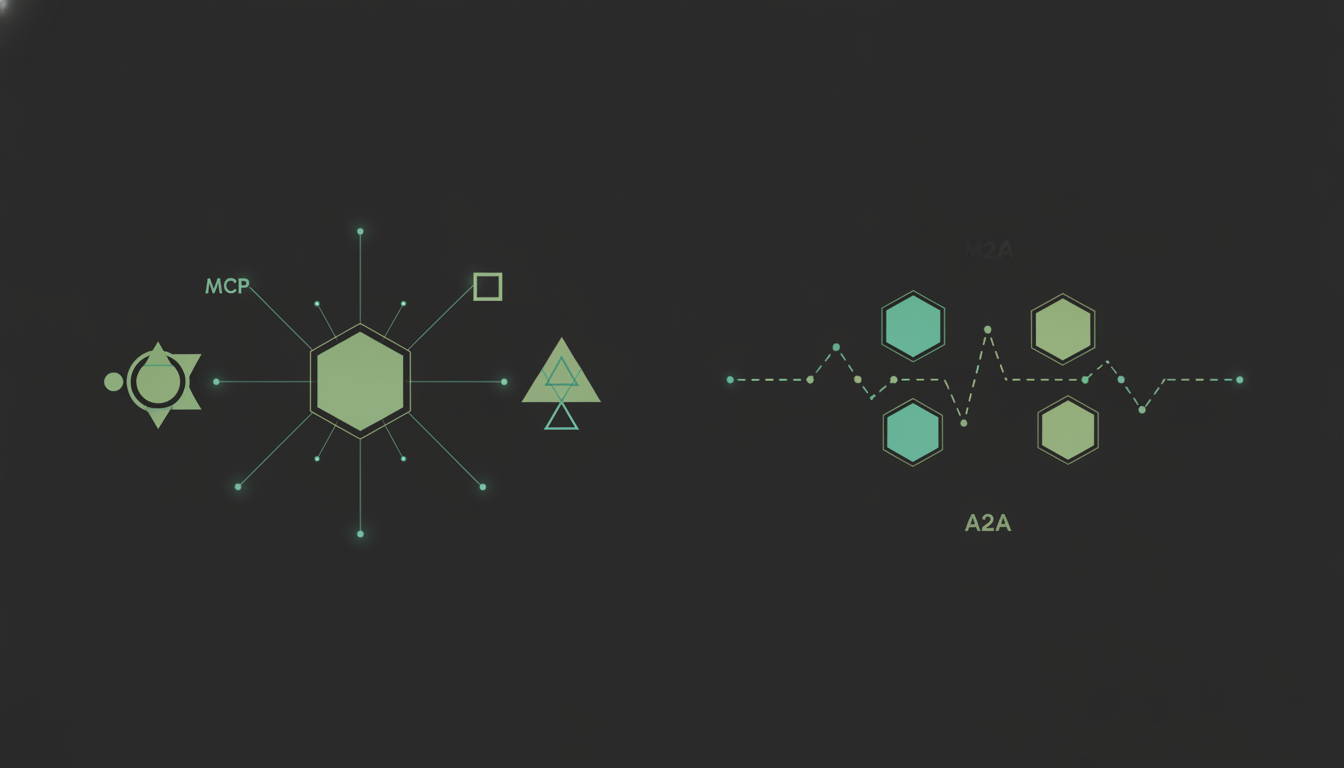
MCP vs A2A: What's the Difference?
MCP connects an agent to tools and data. A2A connects agents to each other. Two complementary protocols for agent systems, and where each one fits.

RAG vs fine-tuning: which one does your use case need?
RAG adds external knowledge at query time. Fine-tuning bakes behaviour into the weights. Most teams eventually need both, for different reasons.
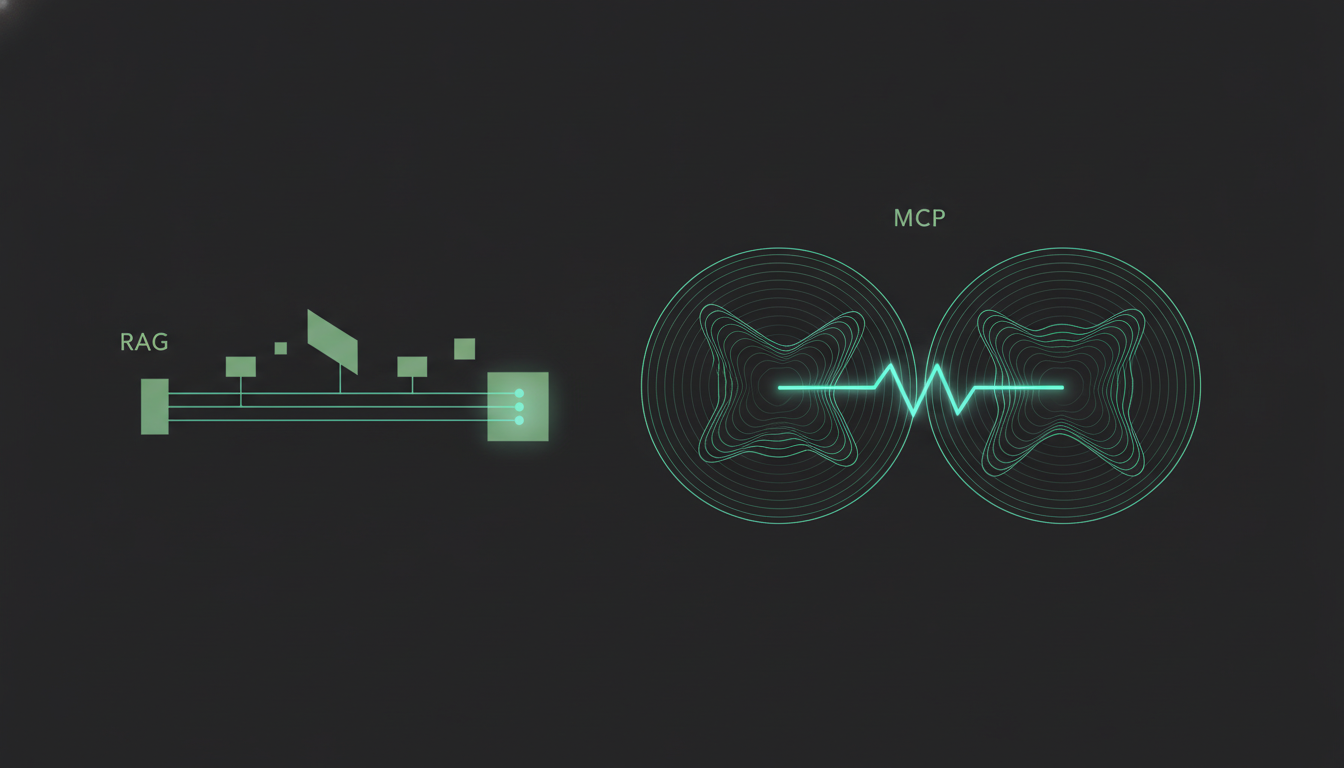
RAG vs MCP: What's the Difference?
RAG gives a model knowledge from documents; MCP gives an agent tools and live systems. What each does, how they differ, and why most agents use both.

Why AI agents accumulate step-level errors after passing benchmarks
Agents that score well in testing still produce compounding step-level errors in live workflows. Those errors grow invisible until the cost is significant.
Does token overhead variance signal agent behavioral instability?
Token overhead variance reveals whether an agent follows the same internal path across invocations. Consistent overhead matters more than low overhead.

How to catch agent quality decay before it reaches users
Intervention rate, scored task completion, and cross-agent error propagation signal agent decay days before user complaints appear.
Why agent tests pass but production fails
Offline evaluations miss 30 to 40 percent of real-world failure modes. Layering trace-based and online scoring catches what test sets cannot.
Why production AI agents fail where benchmarks pass
Production agents fail 70 to 95 percent of the time depending on task complexity. Benchmarks test agents in isolation, not inside live workflows.

Why AI agent quality gaps appear after production scale
Most AI agent pilots pass internal evals but degrade sharply under production load. This article explains the three measurement gaps responsible.

How to measure token overhead in AI agents before scaling
Separating system, retrieval, and productive tokens reveals a 4x cost gap between identical agent outputs that total-session metrics hide.

AI agent observability vs evaluation: what each one does
Observability records what your agent did. Evaluation scores whether it was correct. You need both, and most teams only have one.

How to measure AI agent quality in production
Task success rate, cost per task, drift, and span-level latency are the five metrics that reveal whether a production agent is working or quietly failing.

What are ghost actions in AI agents?
Ghost actions are unauthorized agent steps that task-level monitoring never records. They compound silently and can exhaust resources before anyone notices.

What Customers Ask Before They Trust Your AI Agent
The five questions enterprise buyers ask before they'll rely on your AI agent, and the evidence artifacts that answer each one before a deal stalls.

5 Questions Every Head of AI Should Ask About Agent Governance
Scaling AI agents from pilots to production requires governance infrastructure. These five questions help Heads of AI evaluate whether their organisation can scale agents responsibly.

5 Questions Every ML Engineer Should Ask About Agent Runtime Controls
ML engineers building AI agents need runtime controls that work with their development workflow — not against it. These five questions help evaluate agent governance from an engineering perspective.
5 Questions Every AI Product Manager Should Ask About Agent Governance
AI product managers must balance user experience with governance requirements. These five questions help PMs ship agent-powered products that are both useful and responsible.
5 Questions Every Risk Manager Should Ask About AI Agent Deployments
AI agents introduce risk categories that traditional risk frameworks do not cover. These five questions help risk managers evaluate and mitigate the unique risks of autonomous AI agents.
5 Questions Every CISO Should Ask Before Deploying AI Agents
AI agents introduce attack surfaces that traditional security tools were not designed for. These five questions help CISOs evaluate whether their organisation is ready to deploy agents safely.
5 Questions Every AI Governance Lead Should Ask About Agent Oversight
AI governance frameworks designed for models do not cover agents. These five questions help governance leads extend their programmes to address the unique challenges of autonomous AI agents.

Taming the Lobster: Announcing Prefactor’s Integration with OpenClaw
Prefactor announces a new integration with OpenClaw (Clawdbot)

AI Model Watermarking for Enterprise Security
How cryptographic and forensic watermarks embedded in AI models and outputs help enterprises prove ownership, detect misuse, and meet compliance.

How to Analyze Multi-Agent AI Attack Surfaces
Framework to inventory agents, map dependencies, detect context poisoning and prompt injection, and apply behavioral and static analysis to secure multi-agent AI.

Best Practices for MCP Audit Compliance
Secure MCP agent access with least-privilege controls, tamper-proof audit trails, automated access reviews, real-time monitoring, and permission fixes.

AI Agent Identity Audits: Reporting Standards
Standards for auditing AI agent identities, metrics, and reports to ensure traceability, verified human ownership, and compliance with HIPAA, SOX, and GDPR.
MCP Breach Detection Best Practices
Secure MCP systems with detailed logging, EDR and AI behavioral analytics, protocol validation, centralized audit trails, and rapid containment controls.
Best CI/CD Tools for MCP Integration
Compare GitHub Actions, GitLab CI, Azure DevOps, Jenkins, and cloud-native CI for secure MCP integration and agent governance with Prefactor.

MAESTRO Framework: Threat Modeling for AI Agents
MAESTRO maps AI agent security into seven layers to identify and mitigate adversarial attacks, data poisoning, impersonation, and runtime threats.
MCP MFA Compliance Checklist
Practical checklist to enforce phishing-resistant MFA, secure AI agent identities, apply RBAC, and log/audit MCP access for regulatory compliance.

Top Features of AI Vulnerability Scanning Tools
Key features of AI vulnerability scanners: real-time monitoring, AI-specific threat detection, CI/CD and MLOps integration, governance and scalable fixes.
How MCP Secures Agent Authentication Compliance
How MCP uses OAuth 2.1 with PKCE, resource indicators, scoped tokens, and audit trails to enforce least privilege and meet regulatory requirements.

Data Retention for AI Agents in Regulated Industries
Guidance on AI agent log retention across healthcare, finance, and EU/US law—recommended retention periods, privacy controls, and centralized compliance practices.

Best Practices for Agent-to-Agent Authentication
Secure AI agent interactions with unique identities, short-lived tokens, mTLS, OAuth client credentials, and continuous monitoring for audit and compliance.
Audit Trails in CI/CD for AI Agents (Checklist)
A 12-point checklist for audit trails in CI/CD pipelines running AI agents, covering setup, logging, compliance mapping and secure log retention.

Securing AI Agents with Role-Based Delegation
Secure AI agents with scoped, short-lived roles and RFC 8693 delegation tokens, enforcing least privilege, RBAC+ABAC, audit trails, and centralized governance for compliance.

MCP Security: Dynamic Authorization Explained
How MCP uses OAuth 2.1, resource indicators, and short-lived scoped tokens to give AI agents fine-grained, auditable access while supporting compliance.
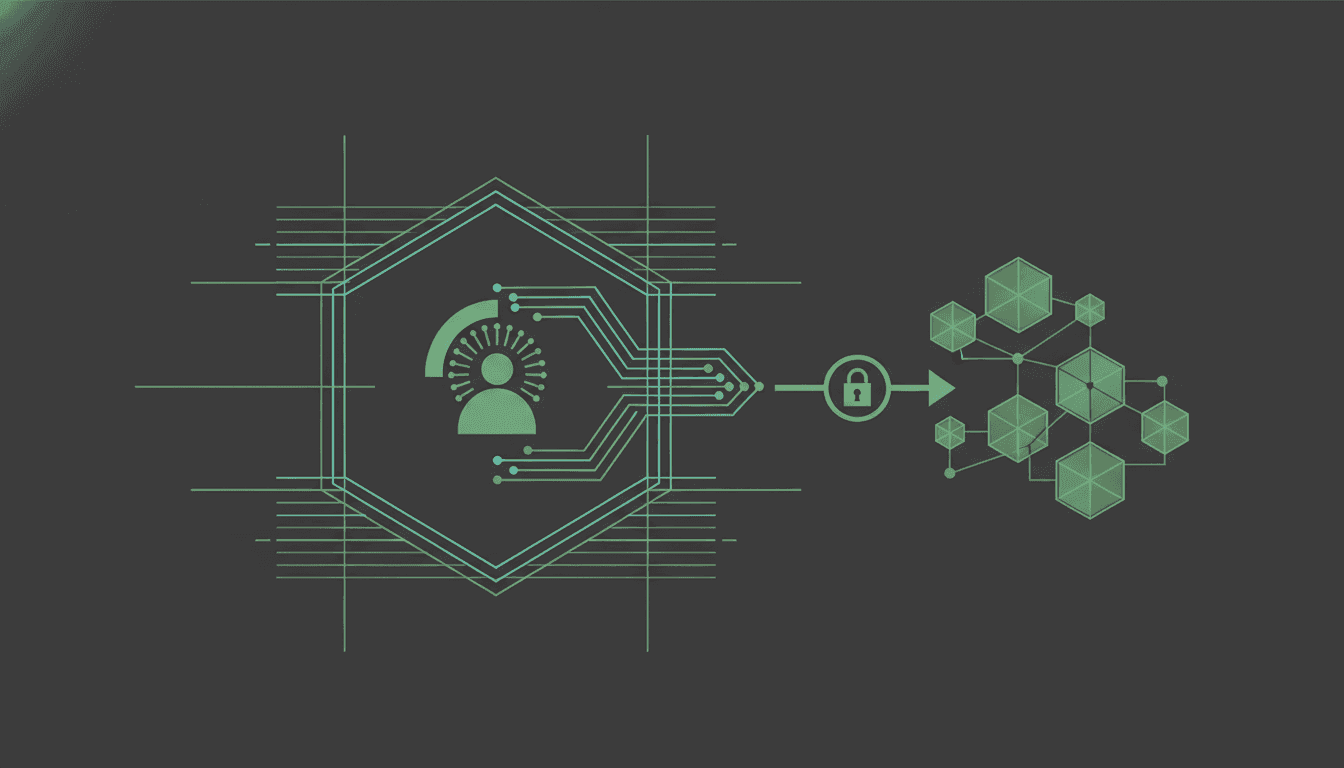
How MCP Secures Human-to-Agent Delegation
Tie AI agent actions to verified users with scoped, short-lived tokens, audit trails, and HITL approvals to prevent over-permissioning and token misuse.

MCP Security for Multi-Tenant AI Agents: Explained
Secure multi-tenant AI agents with MCP using tenant-specific IDs, short-lived tokens, encryption, and audit trails; covers isolation, auth, and governance.
How MCP Enhances Audit Trails for Agent Authentication
How MCP gives AI agents unique identities and uses OAuth 2.1+PKCE while Prefactor adds real-time, context-rich audit trails for compliance.

Ultimate Guide to Non-Human Identity Risk Mitigation
How to inventory, secure, rotate, and monitor machine identities—API keys, service accounts, and AI agents—to enforce least privilege and reduce breach risk.

PKCE in OAuth for AI Agents: Best Practices
Guide to PKCE for AI agents: generate S256 verifiers, enforce PKCE server-side, use short scoped tokens, validate redirects, and monitor PKCE flows.

Regulatory Standards for AI Agent Identity
Assign cryptographic identities to AI agents, enforce time-limited least-privilege access, and maintain auditable logs to meet GDPR, HIPAA, and NIST requirements.
Real-Time Agent Logging with MCP
Structured JSON logs, correlation IDs, and Prefactor audit trails for secure, real-time agent monitoring, debugging, and compliance.

How MCP Enhances AI Agent Security in Multi-Cloud
Standardize AI agent identity, scoped tokens, and real-time policy enforcement across AWS, Azure, and GCP; Prefactor automates token workflows and audit trails.

How MCP Secures Agent Identity Lifecycle
Secure AI agent identities with MCP and Prefactor using OAuth/OIDC, scoped provisioning, automated credential rotation, continuous monitoring, and instant revocation.

AI Agent Identity Lifecycle: Best Practices
Treat AI agents as first-class identities: enforce least-privilege provisioning, short-lived tokens, CI/CD automation, continuous monitoring, and secure deprovisioning.
Granular Access Control with MCP
How MCP uses OAuth 2.1, scoped tokens, and policy-as-code to enforce least-privilege access for AI agents, multi-tenant apps, and CI/CD workflows.

CI/CD Integration for AI Agents: Q&A
Explore the complexities and security challenges of integrating AI agents into CI/CD pipelines, along with best practices for effective management.
Ultimate Guide to Multi-Tenant AI Systems
Explore the complexities of multi-tenant AI systems, focusing on security, identity management, and compliance challenges.

How to Secure MCP Servers with OAuth 2.1 in FastAPI
Learn how to implement OAuth 2.1 authentication for MCP servers in FastAPI. Step-by-step guide for securing remote AI applications.

Model Context Protocol: Setup and Implementation
Learn how to implement the Model Context Protocol for secure, automated authentication between AI agents and systems, enhancing compliance and efficiency.

Solving AI Agent Scalability Issues
Explore effective strategies for managing the identity lifecycle of AI agents, ensuring security, compliance, and scalability in dynamic environments.

AI Agent Security Checklist for CTOs
Explore essential security strategies for AI agents, focusing on identity management, authentication, risk controls, and compliance.

How to Secure AI Agent Authentication in 2025
Explore essential strategies for securing AI agent authentication in 2025, focusing on unique credentials, JIT access, and compliance standards.
5 AI Agent Access Control Best Practices (2026)
82% of organisations run AI agents but only 44% have security policies for them. Get 5 practices covering identity, least privilege and audit trails.

How to Build Custom Consent Screens for AI Agents Handling Sensitive Data
Learn how to build sophisticated consent screens that explain AI agent actions clearly. Discover advanced authorization patterns beyond basic authentication

How to Handle Dynamic Client Registration for AI Agents That Spawn and Terminate Automatically
Learn why AI agents need device-like Dynamic Client Registration, not application-style permanent registration. Discover how Prefactor's DCR handles ephemeral agent lifecycles automatically.

How to Build a Security-First MCP Architecture: Design Patterns and Implementation
Architectural patterns for building inherently secure MCP systems, including zero-trust principles, defense in depth, and secure by design approaches for AI agents.
Why Traditional API Security Fails with MCP and What to Do Instead
Analysis of why conventional API security approaches don't work for MCP, and new security paradigms needed for AI agent architectures and autonomous systems.

How to Secure Third-Party MCP Integrations: Atlassian, Linear, and Canva
Security framework for popular MCP integrations including Atlassian MCP, Linear MCP, and Canva MCP, covering API security and data protection strategies.
What Security Controls Should You Implement for Enterprise MCP Deployments?
Enterprise-grade security checklist covering network security, data governance, compliance requirements, and audit trails for large-scale MCP deployments.
How to Secure Claude Code MCP Integrations in Production
How to secure Claude Code MCP integrations in production with scoped access, runtime controls, and auditable tool permissions.

Where MCP Security Breaks: Common Attack Vectors and Prevention
Analysis of common MCP attack patterns including prompt injection, privilege escalation, and data poisoning, with prevention strategies.

Why MCP Inspector is Essential for Security Testing and Validation
Deep dive into using MCP Inspector for security testing, vulnerability discovery, and protocol validation, with practical testing scenarios.

What Are the Critical MCP Security Risks Every Developer Must Know?
Model Context Protocol (MCP) introduces unique security challenges that traditional API security doesn't address.
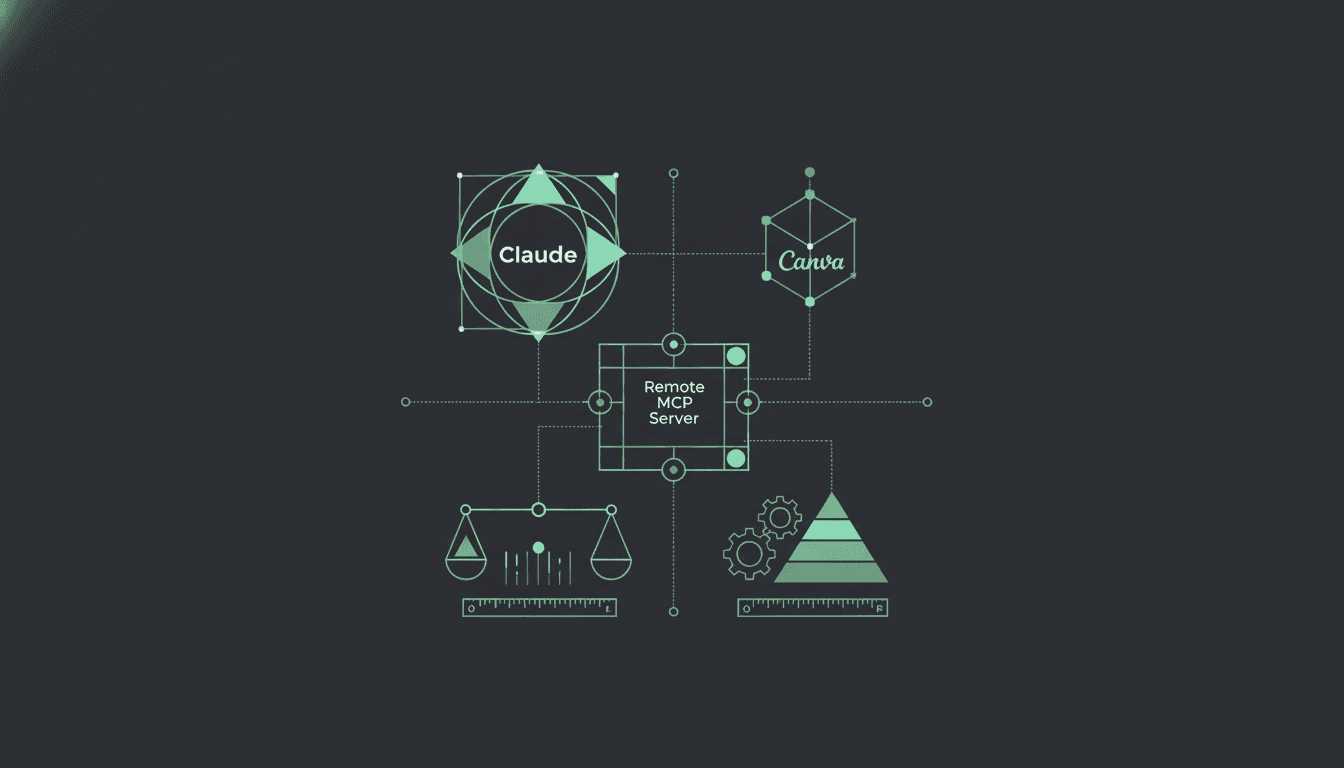
Claude x Canva Remote MCP server demo
Live demo showing how to connect Cursor to Canva using Remote MCP — enabling secure agent access across tools.
Prefactor x Claude Remote MCP server demo
Live demo showing how to connect Cursor to Canva using Remote Model Context Protocol (MCP) — enabling secure, agent-driven access between tools.
MCP vs AI Agents: What’s the Difference?
Learn the difference between Model Context Protocol (MCP) and AI agents — and how MCP provides the access and security layer that agents need to function safely.

What Is an MCP Gateway?
Learn what an MCP Gateway is, how it fits into the Model Context Protocol stack, and how it simplifies secure agent access to APIs.

What’s the Difference Between an MCP Server and MCP Client?
Understand the difference between MCP servers and MCP clients — and how they work together to enable secure access for AI agents and automated systems.
-hero.png)
Top 10 MCP Security Risks (and How to Avoid Them)
MCP (Model Context Protocol) opens the door to powerful agentic AI — but also introduces serious security risks. Here are the top 10 vulnerabilities in MCP deployments, and how your team can defend against them.

What Is MCP — and Why Is Everyone Talking About It?
Learn what Model Context Protocol (MCP) is, why it's suddenly everywhere, and what it means for the future of AI agents, APIs, and secure access.

MCP vs LLM: What’s the Difference?
Understand the difference between Model Context Protocol (MCP) and Large Language Models (LLMs) — and how they interact in AI-powered systems.

Top 10 Agent Integrations to Add to Your SaaS
Ten high-value agent integrations that show where identity, delegation, and runtime control start to matter for SaaS teams.
-hero.png)
How to Implement MCP Authentication (Step-by-Step Guide for SaaS apps)
Learn how to implement MCP authentication for AI agents using scoped delegation, agent identity, and signed access tokens. This guide covers token generation, validation, and best practices for MCP login support in SaaS and AI-native apps.
Beyond the Prompt: Securing Agent Behavior, Not Just Access
Securing agent behaviour
The Compliance Conundrum: Auditing Autonomous Agent Actions
Auditing Autonomous Agent Actions

Security Risks in the Age of Autonomous Agents: Beyond Traditional Secrets Management
Beyond secrets management

How to Design Identity for AI Agents, Not Just Humans and APIs
A practical framework for designing identity around AI agents, delegated access, and runtime accountability.
Why M2M Tokens Aren’t Enough for Agent-Based Systems: Beyond Static Credentials
M2M tokens aren't enough
Service Accounts Are Failing in the Age of Agent Identity
Why service accounts break down for AI agents, and what an agent-first identity model needs to support.

From Static to Dynamic: What Agent Identity Actually Looks Like
What dynamic agent identity looks like in production, from short-lived credentials to revocation and auditability.

Zero Trust for Agents: What It Actually Looks Like
Zero Trust for Agents
Designing a DSL for Agent Access Control
Why agent access control needs a policy language teams can version, review, and enforce across runtimes.

Impersonation ≠ Delegation: Don’t Let Agents Spoof Your Users
How to stop AI agents from spoofing user identity by enforcing explicit delegation, scoped access, and auditable actions.
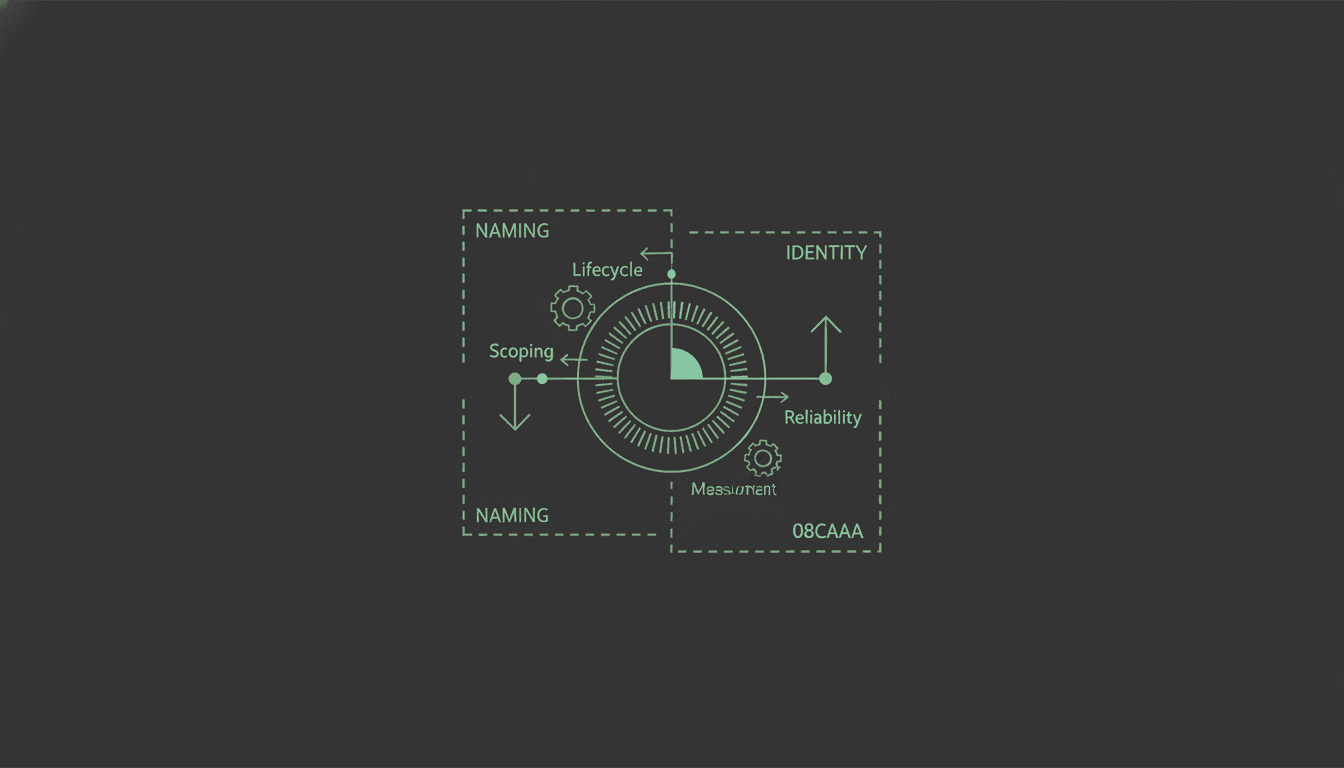
Agent Identity 101: Why Naming, Scoping, and Lifecycle Matter
A practical introduction to agent identity: naming, scoping, ownership, and lifecycle controls for non-human actors.

How to Secure Agents Acting on Behalf of Users
Securing agents acting as humans

Autonomous Agents Create a New Identity Challenge
Why autonomous agents break assumptions behind traditional identity systems, and what teams need instead.
Your Customers' AI Agents Need to Log In—Is Your SaaS Ready?
Is your saas ready for agents?
Compare Agent Authentication Solutions
How to compare agent authentication platforms by delegation, runtime control, auditability, and developer ergonomics.
What Most Companies Get Wrong About Non-Human Identity Management
Common mistakes teams make with non-human identities, and what changes when AI agents become first-class actors.
-hero.png)
How to Manage Non-Human Identities Before They Manage You
How to manage non-human identities with ownership, scoping, rotation, and lifecycle controls once AI agents enter production.
-hero.png)
What Are Non-Human Identities in AI Agent Systems?
A clear definition of non-human identities, how they differ from service accounts and bots, and why AI agents make them harder to manage.
Authentication vs. Authorization: Understanding the Key Differences
Authentication vs authorization

How to Secure AI-Assisted Vibe-Coded Applications
The main risks in AI-assisted vibe-coded applications, plus practical controls for authentication, authorization, and agent safety.